Media Releases
03/02/26
PRENATAL ULTRASOUND IN AOTEAROA
An image of inequalities
Overview
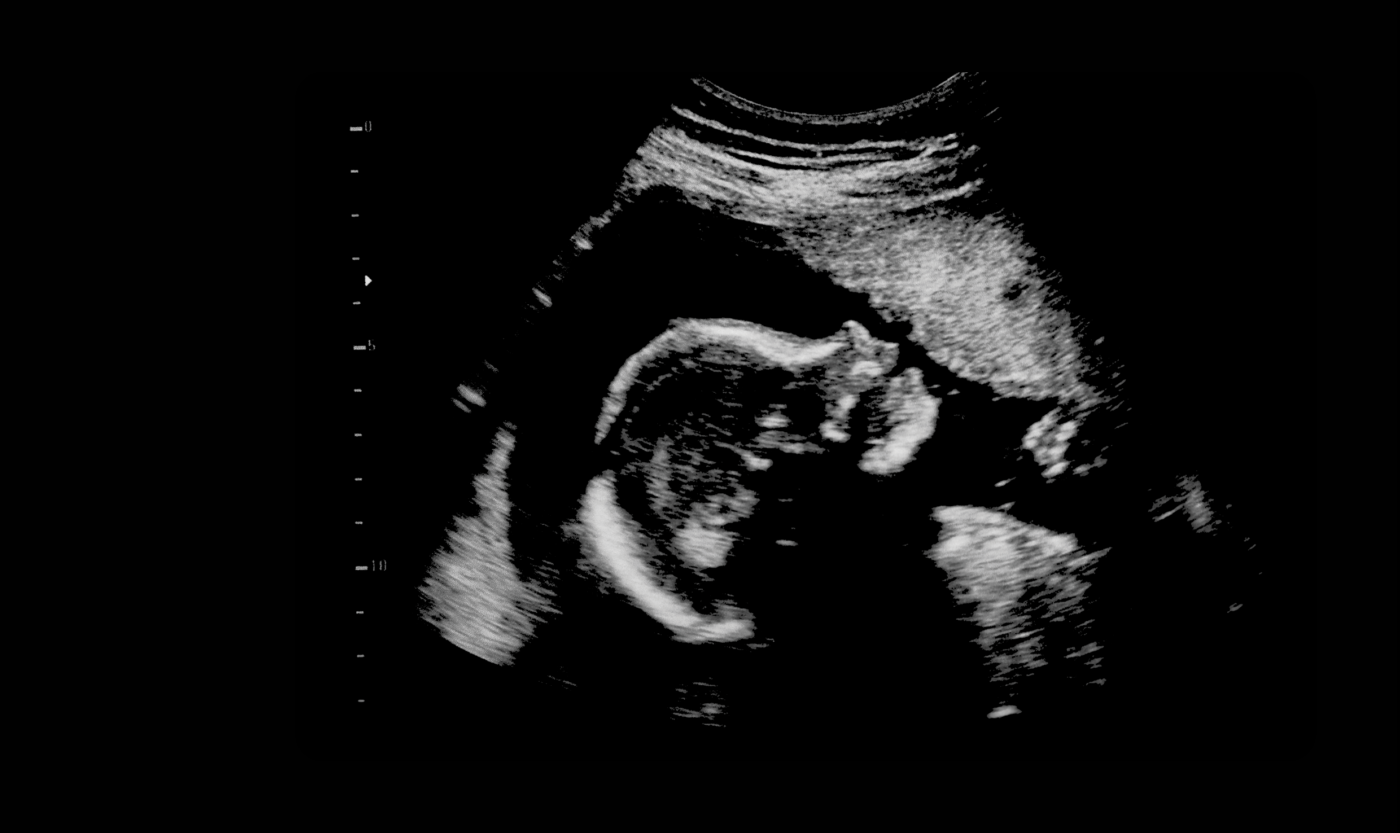
Prenatal ultrasound scans are essential for monitoring the health of mothers and babies during pregnancy, helping to detect abnormalities early and improve outcomes. However, in Aotearoa New Zealand, access to these scans is inequitable due to regional differences in funding. Many women, especially Māori, Pacific, and disabled populations, face barriers such as high costs, travel challenges, and limited availability of services, leading to delayed or missed scans. This leads to preventable adverse outcomes – in worst cases, maternal and perinatal mortality – and increases the burden of cost for the public health system.
Sonographer (and Radiologist) shortages further impede the patient pathway, creating delays in reporting, while limiting the training pipeline in the long term. Advanced Practice frameworks have been developed for Sonographers which allow them to work in Reporting roles, alleviating some of this pressure. However, a national implementation plan is needed to fully realise these benefits.
Early detection of abnormalities can lead to timely interventions, saving lives and reducing healthcare costs. The estimated cost of fully funding maternity ultrasounds is $26.5 million annually, which is only slightly higher than the current expenditure of $24.7 million. This investment would ensure equitable access to prenatal care, reduce health disparities, and improve maternal and perinatal outcomes.
Read the full report below.